A Family Owned Business For Over 36 Years

Crafting print with precision since 1989, trusted by businesses, fueled by innovation, and driven by purpose.

Contact Us
  • 929 W 16th Street,
    Indianapolis, IN

  • 317 635 2282

.

Gloss Paper

Gloss Paper: What It Is, How It Works, and When to Use It for Printing

Glossy coated paper is printing paper with a clay or polymer coating polished to a high shine, so ink stays on the surface and photos print sharp, bright, and saturated. It comes as gloss text for pages, gloss cover for postcards and covers, and C1S or C2S gloss board for cards and packaging.

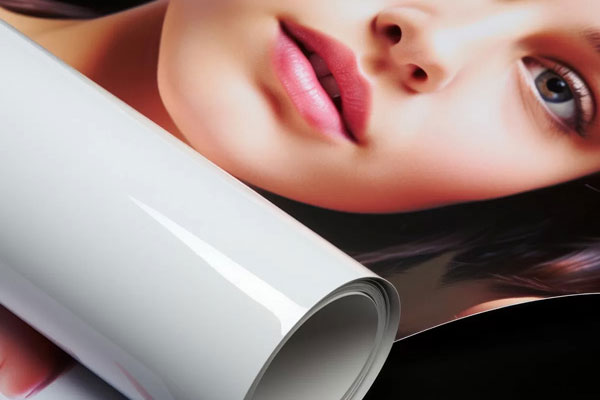
Close-up of a glossy print showing a woman's face with smooth skin and full lips.

Fill the form to Get a quote

Planning a gloss paper job? Fill out the information below and we will review the stock, weight, and finish and send a second opinion quote.

    Best Uses of Gloss Paper in Offset Printing

    What Is Glossy Paper Called?

    Gloss paper is a coated printing paper with a shiny, reflective finish that holds ink on the surface, so photos print sharp and colors look saturated. Printers also call it glossy paper, glossy coated paper, gloss coated paper, or gloss text and gloss cover, depending on the weight. A smooth coating seals the paper fibers. This lets the ink sit closer to the surface instead of soaking into the sheet.

    This surface behavior directly causes:

    • Higher perceived image sharpness
    • Increased color vibrancy
    • A reflective, polished finish

    Gloss paper is commonly used when visual impact is the primary goal.

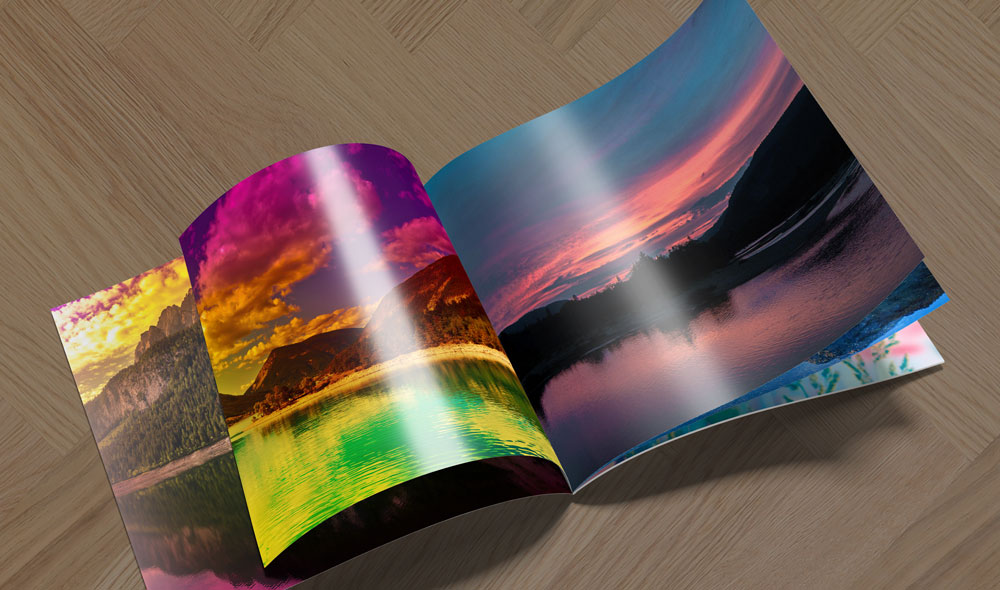
    Open glossy brochure displaying vibrant landscape images with colorful skies and water reflections.

    Types of Gloss Paper Used in Commercial Printing

    Standard Gloss Text and Gloss Cover (Most Common)

    In commercial printing, standard gloss text and gloss cover papers are the gloss sheets most jobs are printed on. These papers have a higher-gloss finish designed specifically for vibrant color reproduction and sharp images.

    • 80 lb Gloss Text: flyers, inserts, and multi-page brochures
    • 100 lb Gloss Text: higher-end brochures and catalogs
    • 80 lb Gloss Cover: postcards, self-mailers, and lightweight covers
    • 100 lb Gloss Cover: premium marketing pieces and durable covers

    C1S and C2S Coated Board

    C1S and C2S describe how many sides of the sheet are coated, not how shiny the coating is. Gloss text and gloss cover are coated on both sides, and in day to day ordering the C1S and C2S labels are used mostly for heavier board measured in points. We keep 10 pt, 12 pt, 14 pt, and 16 pt C2S on hand, and our offset presses run C2S up to 28 pt.

    • C1S (Coated One Side)
      Coated on one side, uncoated on the other. Commonly used for covers, folders, or pieces that require writing on one side.
    • C2S (Coated Two Sides)
      Coated on both sides, in gloss, satin, or matte. Common for postcards, business cards, and covers where both faces carry print.


    What Is Gloss Paper Used For?

    Gloss paper is selected when image clarity and color intensity matter more than writability. Its smooth, reflective surface enhances photos, graphics, and bold color.

    • Brochures and sales sheets
    • Product catalogs
    • Flyers and postcards
    • Magazine pages
    • Photo prints
    • Promotional marketing materials

    Glossy Coated Paper vs Satin, Matte, and Uncoated

    Choosing between gloss and the other finishes depends on function, not preference. Gloss wins on color and photo detail, while lower sheen finishes win on readability and writing.

    PropertyGlossSatinMatteUncoated
    FinishHigh shineSoft sheenFlat, low sheenNo coating, natural
    FeelSlick and smoothSmooth and silkySmooth and velvetyNatural, slightly toothy
    Ink holdoutHighestHighHighLow, ink absorbs
    Color and photosMost vividVivid, less glareRich, low glareSofter, muted
    ReadabilityFair, glare under lightVery goodExcellent, no glareExcellent, no glare
    FingerprintsVisibleLess visibleHiddenHidden
    WritablePoor, smudgesWith careYes, most pensYes, easiest of all
    Best usesPhoto catalogs, postcards, flyers, magazine pagesBrochures, event programs, mixed photo and textAnnual reports, text heavy brochures, business cardsLetterhead, forms, envelopes, book interiors

    Rule of thumb:

    • Use gloss for visuals
    • Use matte or uncoated for readability and writing

    Learn more about matte finishes here: Matte Paper Explained

    Advantages of Gloss Paper

    • Enhances photos and graphics
    • Creates a premium, professional look
    • Excellent for marketing impact
    • Ideal for high-resolution printing
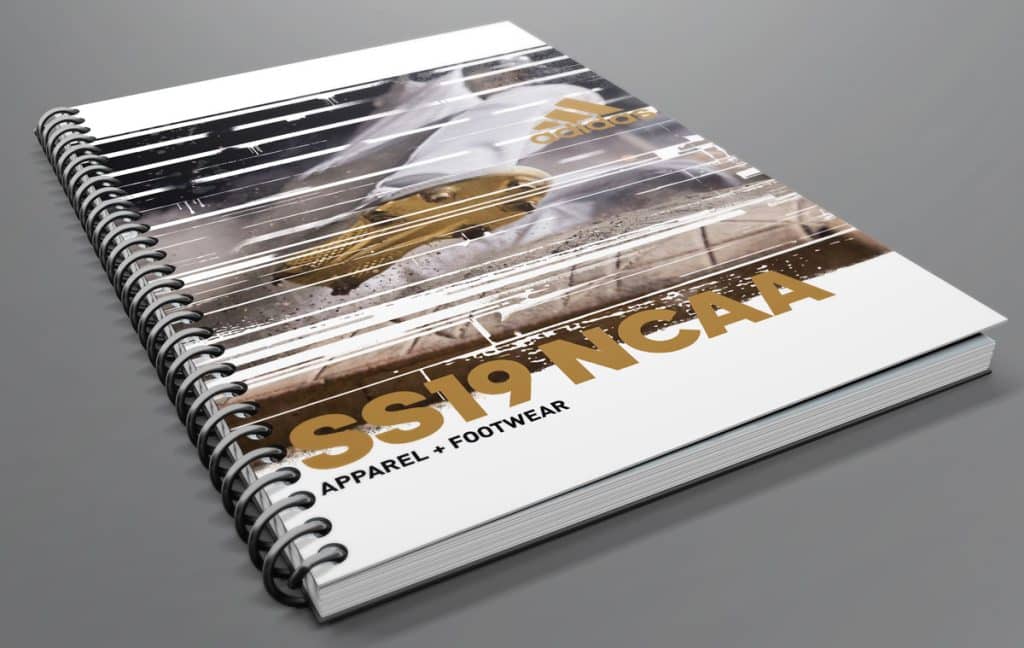
    Spiral bound book mockup featuring a cover design with a sports theme and text for apparel and footwear.

    Disadvantages of Gloss Paper

    • Glare under bright lighting
    • Fingerprints are visible
    • Not ideal for handwriting
    • Slightly higher production cost

    Glossy coated paper is paper with a clay or polymer coating that is polished to a high shine. The coating seals the fibers so ink dries on the surface instead of soaking in, which gives sharp detail, saturated color and bright whites. Printers sell it as gloss text for pages and gloss cover for cards and covers, usually coated on both sides (C2S).

    It depends on the job. Glossy coated paper is better for photos, product images and bold color because ink holds on the surface. Uncoated paper is better for anything people will write on, run through an office printer or read for long stretches, because it has no glare and absorbs ink. Many projects pair them, such as a gloss cover on a booklet with uncoated or matte pages inside.

    Both are coated papers, so both hold ink on the surface and print sharp images. Glossy coated paper is polished to a high shine for the most vivid color, while matte coated paper has a flat, low sheen surface that cuts glare, hides fingerprints and is easier to write on. Satin sits between the two.

    While glossy sheets excel at printing, writing on them requires care. The smooth coating means many pens will smudge or skip. Oil-based ballpoint pens write most reliably on gloss. Quick-dry gel pens and fine-tip permanent markers can also work if you let the ink dry completely, and pressing hard tends to make any pen skip. Test your pen on a corner of a printed piece before writing on the whole run. If the piece has to be written on, such as a reply card or a form, choose matte or uncoated stock instead.

    Like other printing stocks, gloss paper is available in text weights (lightweight sheets for internal pages of brochures, booklets or flyers) and cover weights (heavier cardstock for covers, postcards or business cards). Text weights generally run from about 70 to 100 lb, while cover weights run from 80 to 100 lb or higher. Selecting the right weight depends on your project: thicker stocks offer durability and a premium feel; lighter weights are economical and easier to fold.

    Choose gloss paper for photo-forward and color-intensive projects, such as photographs, promotional flyers, brochures, posters, and postcards. The reflective coating gives high-contrast images, saturated color, and sharp detail. For pieces that are mostly text or will be handled a lot, satin paper or matte stock is usually the better finish because it cuts glare and hides fingerprints. For postcards and mailers we usually recommend 100 lb gloss or satin cover, and for brochure pages 80 lb or 100 lb gloss text.

    Gloss text paper is the lighter weight of gloss coated paper, usually 70 to 100 lb text. It is thin enough to fold cleanly and bind into booklets, and the shiny coating keeps photos bright and sharp. It is the standard sheet for brochures, flyers, catalog and magazine pages, and booklet interiors.
    32 lb is a bond weight, the scale used for office and inkjet papers, so a 32 lb gloss sheet is about the same weight as 80 lb gloss text, roughly 120 gsm. It is a good middle weight for flyers and brochure pages that need to feel substantial without being as stiff as cover stock.
    Gloss text is the thinner, more flexible weight used for pages, brochures and flyers. Gloss cover is the thicker, stiffer cardstock weight used for postcards, covers and cards. The two are weighed on different sheet sizes, so 80 lb gloss cover, about 216 gsm, is far heavier than 80 lb gloss text, about 118 gsm, even though the numbers match.
    Glossy brochure paper is usually called gloss text, most often 80 lb or 100 lb gloss text. It is also described as coated two sides, or C2S, because both sides carry the gloss coating so the brochure looks the same front and back. For a stiffer brochure, some clients step up to a light gloss cover.

    How Gloss Paper Is Made

    Gloss paper is produced by adding a coating layer, usually made of clay or polymer, onto a base sheet.

    Coating Effects on Print

    Because the coating reduces absorption:

    • Ink dries on the surface
    • Dot gain is minimized
    • Colors appear more saturated


    This is why gloss paper outperforms uncoated paper for photography and marketing graphics.

    A collection of assorted stationery items including folders, notepads, and business cards in various colors.
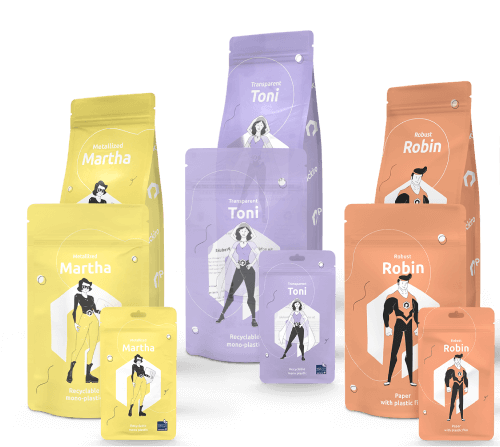
    Various packaging designs featuring characters named Martha, Toni, and Robin in different colors and styles.
    A blue circular graphic element with a soft gradient and a textured border.
    Abstract white zigzag pattern on a black background, creating a dynamic visual effect.

    Ready to create some
    custom products?

    Explore More