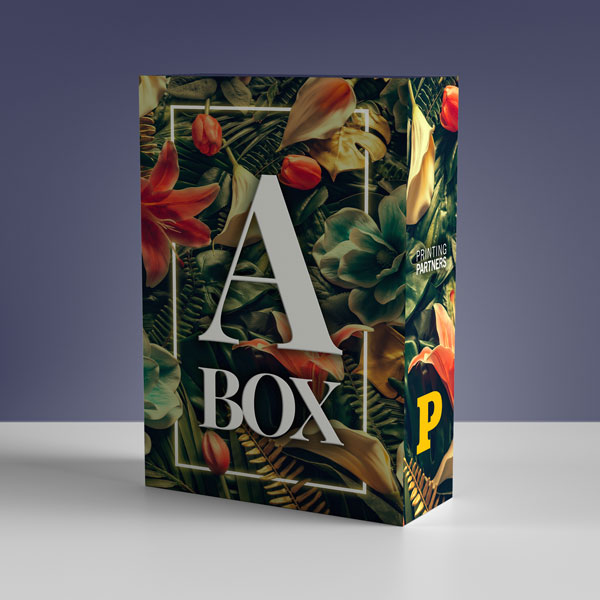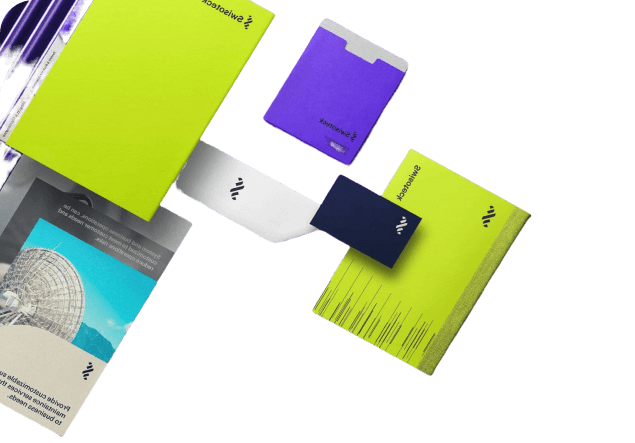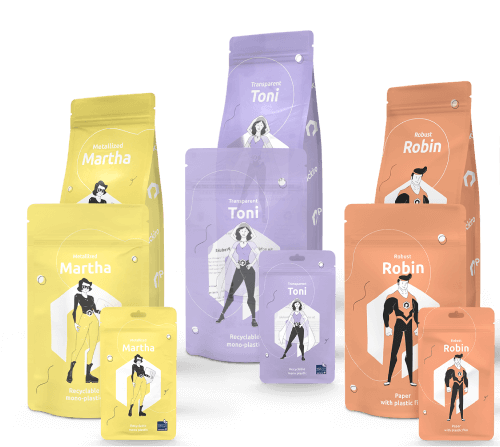
C2S paper (coated two sides) is printing paper with a clay or mineral coating on both the front and the back, so ink sits on the surface and prints with the same sharpness on both sides. It comes in gloss, satin, and matte finishes and in text, cover, and point-measured board weights, which makes it the standard sheet for brochures, catalogs, postcards, and business cards. At Printing Partners we keep 10 pt, 12 pt, 14 pt, and 16 pt C2S on hand, our offset presses run C2S board up to 28 pt, and for business cards we usually start clients on 14 pt C2S, or 16 pt when the card needs a heavier feel.
Written by Kraig Downham, Marketing Director, with Printing Partners since 2005. Last updated October 2026.
C2S stands for “Coated Two Sides.” Unlike C1S, which has a coated surface on only one face, C2S paper is finished on both the front and back. The result is consistent shine, smoothness, and color vibrancy across the entire sheet. This makes it especially effective for double-sided projects where both surfaces need to carry graphics or imagery with equal quality.
Coating on both faces prevents ink from soaking into the fibers, keeping colors vibrant and details sharp. How the ink dries depends on the press, not the paper. On our Heidelberg XL 106, which prints with UV inks, ultraviolet lamps cure the ink as each sheet is printed, so coated sheets are ready to handle as they come off the press. The mirrored finish across both sides ensures that double-sided printing looks balanced, with no dull or uneven reverse side to compromise the design.
C2S stands for coated two sides. Both the front and back of the sheet are coated, which creates a smooth, consistent surface for high-quality double-sided printing.
Use C2S paper when you need both sides of the sheet to carry high-quality print. It is ideal for brochures, catalogs, postcards, packaging sleeves, magazine covers, and marketing collateral. If your design depends on vibrant imagery and a consistent finish across both sides, C2S is the premium choice. When writable space is required, C1S stock is often a better fit.
Not well. Because both sides are coated, C2S is not ideal for heavy handwriting. Ballpoint pens may work, but gel pens and markers can smear on the glossy surface. If you need to leave space for notes, addresses, or labeling, consider C1S stock instead. C2S is best reserved for pieces where both sides are printed for visual impact rather than writability.
C1S paper is coated on one side and uncoated on the other. C2S paper is coated on both sides. C2S is better when both faces need equal print quality, while C1S is better when one side needs to remain more writable or glue-friendly.
Yes. C2S paper is specifically suited for double-sided print projects because both surfaces provide consistent smoothness, shine, and color reproduction.
C2S paper is manufactured in a wide range of weights. Text weights (60 to 100 lb) provide flexibility for magazines, brochures, and catalogs. Cover weights (80 to 130 lb and higher, plus board measured in points) offer durability for postcards, packaging, and book covers. The choice of weight impacts opacity, folding performance, and perceived quality. Lighter sheets reduce mailing costs, while heavier boards give covers and cards more stiffness.
© 2026 Printing Partners. All rights reserved. | Privacy Policy | Publishing Principles | Ownership & Funding Info | Feedback Policy | Corrections Policy | Ethics Policy | Diversity Policy | Diversity Staffing Report | Accessibility Statement | LLMS