A Family Owned Business For Over 36 Years

Crafting print with precision since 1989—trusted by businesses, fueled by innovation, and driven by purpose.

Contact Us
  • 929 W 16th Street,
    Indianapolis, IN

  • 317 635 2282

.

Satin Paper

What is Satin Paper?

Satin paper is a coated printing paper with a smooth finish and a soft sheen. It sits between gloss and matte paper. The surface reflects some light, but not enough to cause strong glare. This balance helps colors appear rich while keeping text easy to read.

Because of this, satin paper is a popular choice for brochures, catalogs, and marketing materials. It delivers strong image quality without the shine of full gloss paper. Many printers choose satin coated paper when they want a polished, professional look that still feels refined.

The Perfect Balance Between Gloss and Matte Paper Finishes

A stack of magazines with one magazine partially rolled on a wooden surface.

We Print Satin Paper Better Than Anyone Else.

Most quotes don’t account for ink density, coating performance, or press calibration. We do—and that’s why our satin work outperforms the rest.

    Best Uses of Satin Paper

    Details on Satin Finished Stock

    Satin paper (also called semi-gloss or luster) sits between glossy and matte. It has a soft sheen that reduces harsh reflections while preserving rich color and crisp detail. Compared to full gloss, satin reflects less light while still enhancing photographs and graphics.

    Satin Paper vs Gloss Paper

    Satin paper and gloss paper are both coated stocks, but they behave differently. Gloss paper has a high-shine surface. It reflects more light and makes colors appear very bold. This works well for photos and graphic-heavy designs.

    Satin paper offers a softer finish. It still enhances color, but it reduces glare. This makes satin easier to read under bright lighting. It also shows fewer fingerprints than gloss paper. For projects that need color impact without heavy shine, satin paper is often the better choice.

    A person flipping through the pages of a magazine with visible printed content.

    Satin Paper vs Matte Paper

    Satin paper and matte paper are chosen for different reasons. Matte paper has a flat, non-reflective surface. It is easy to read and feels smooth, but colors appear more muted.

    Satin paper provides more color depth than matte. Images look sharper and more vibrant. At the same time, satin avoids the glare seen on gloss paper. This makes satin a strong middle option when both readability and visual quality matter.

    How Ink Behaves on Satin Coating

    Satin’s coating keeps ink near the surface, producing vivid colors and sharp imagery. It provides strong contrast and clarity while maintaining readability. This finish balances the brilliance of gloss with the softer look of matte.

    Close-up of a hand holding a black pen while writing on smooth satin paper.
    Spiral bound book mockup featuring a cover design with a sports theme and text for apparel and footwear.

    Benefits of Satin Coated Paper

    • Reduced glare–for easier reading under bright light compared to gloss finishes.
    • Vibrant yet refined color—retains punch without a mirror-like shine.
    • Better handling appearance—less susceptible to smudges and reflections, ideal for frequently handled pieces.
    • Versatility—suitable for layouts that combine photography with dense body copy.

    Challenges and Considerations

    • Some reflection remains—although softer than gloss, satin still shows a sheen in direct light.
    • Fine text clarity—dense or very small type can sometimes appear sharper on matte or uncoated stock. Printivity notes this in their comparison of finishes.
    • Instant curing—with UV inks and lamps, prints are fully cured as they come off press, eliminating the risk of offsetting or smudging that traditional inks might face.
    • Folding heavy covers—thicker satin stock should be scored before folding to prevent cracking along the spine.

    What Is Silk Paper? (EU Term)

    Silk paper is commonly used in Europe as a name for satin paper. In most cases, the two terms describe the same finish. Silk paper has a smooth surface with a low sheen and balanced light reflection.

    Like satin paper, silk paper improves color while staying easy on the eyes. It is widely used for brochures, magazines, and marketing pieces. When you see “silk paper” in European print specifications, it usually refers to the satin finish used in the U.S.

    The coated surface is less absorbent than uncoated sheets. Oil-based ballpoint pens write most reliably, while gel pens or fine-tip markers may smudge. Always allow adequate dry time and test your pen first. For more guidance, see pen recommendations.

    Satin stocks are available in text weights (70–100#) for magazines, brochures, and booklets, and cover weights (80–100# and thicker) for postcards, menus, and sturdy covers. Choosing the right weight balances durability, budget, and foldability.

    Satin is ideal when you want a polished look without harsh glare. It works well for brochures and catalogs, menus, professional portfolios, invitations, posters, and presentations that mix imagery and text. Its balanced sheen makes it the “best of both worlds” between gloss and matte.

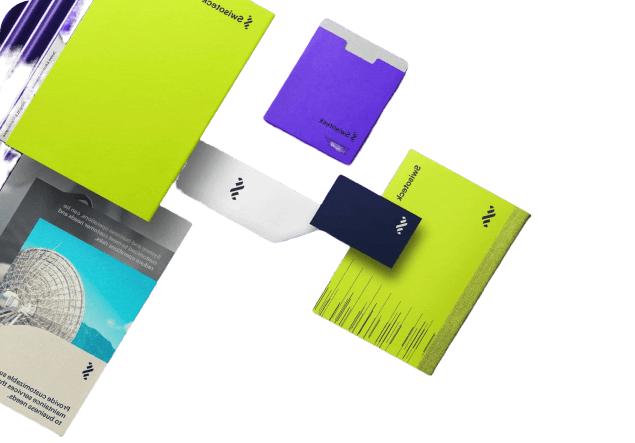
    A collection of assorted stationery items including folders, notepads, and business cards in various colors.
    Various packaging designs featuring characters named Martha, Toni, and Robin in different colors and styles.
    A blue circular graphic element with a soft gradient and a textured border.
    Abstract white zigzag pattern on a black background, creating a dynamic visual effect.

    We Print Satin Paper
    Better Than Anyone Else.

    Optimize My Satin Paper Quote
    Logo of Printing Partners featuring a stylized letter P and the text 'Printing Partners'.

    929 West 16th Street
    Indianapolis, IN 46202-2214

    News@PrintingPartners.net

    317-635-2282

    Come See Us