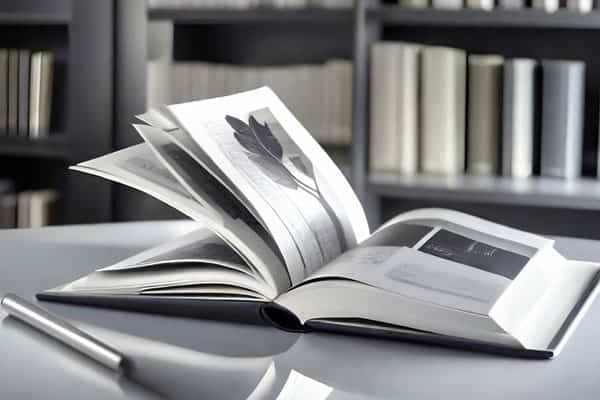
Matte paper is a low-sheen printing paper designed to reduce glare and improve readability. Unlike glossy finishes, matte paper has a smooth, non-reflective surface. This makes text easy to read and colors look soft and professional.
It is commonly used for brochures, flyers, and marketing materials where clarity matters more than shine. Because matte paper minimizes fingerprints and glare, it is often chosen for printed pieces that are handled frequently or read under bright lighting.
Matte paper is a coated stock with a flat, non‑reflective finish that delivers understated elegance. The coating controls ink absorption, so colors appear softer than on high‑gloss sheets while still retaining detail. This subtle sheen gives prints a sophisticated look without glare—making images and text clearly readable even under bright lights. Compared to uncoated paper, matte stock feels smoother and has better ink holdout, yet it isn’t shiny like gloss.
Matte paper and uncoated paper are often confused, but they are not the same thing. Matte refers to the finish, while uncoated refers to whether a paper has a coating at all. Matte paper can be either coated or uncoated, depending on how it is manufactured. Matte coated paper has a smooth surface with very low sheen, while uncoated paper has a more natural texture and feel.
This difference is important in printing. Coated matte paper usually gives sharper images and better ink control. In contrast, uncoated paper absorbs more ink. This leads to a softer, more natural look. Understanding the difference helps ensure the final print looks and performs the way you expect.
Matte paper and gloss paper serve very different purposes in printing. Matte paper has a low-sheen, non-reflective surface that reduces glare and makes text easy to read. Gloss paper, on the other hand, has a shiny finish designed to make images and colors appear more vibrant.
Because gloss paper reflects more light, it works well for photo-heavy designs where visual impact is the priority. Matte paper is often preferred for brochures, flyers, and documents that include a lot of text. It provides a softer look and avoids fingerprints and reflections that can distract the reader.
When deciding between matte and gloss paper, consider how the printed piece will be used. If readability and a professional, understated finish matter most, matte paper is usually the better choice. If bold color and shine are the goal, gloss paper may be the right option.
Matte paper and satin paper are often compared because they both reduce glare compared to gloss finishes. Matte paper has little to no sheen, while satin paper offers a soft, subtle sheen that enhances color without strong reflection.
Satin paper is commonly chosen when designers want a balance between color vibrancy and readability. Matte paper, by contrast, places greater emphasis on text clarity and a muted, refined appearance. This makes matte a strong option for text-heavy layouts and materials that will be handled frequently.
If you want a completely non-gloss look, matte paper is the better fit. If you prefer slightly richer color with minimal glare, satin paper often provides that middle ground between matte and gloss.
The coating on matte paper regulates how much ink is absorbed. Some absorption occurs, so colors will look slightly more subdued than on a gloss finish, but the coating still keeps ink from soaking too deep into the fibers. The result is crisp lines and balanced color saturation without the reflective shine. On our presses, UV inks cure instantly, so prints are ready to handle right off the sheet.
Yes. One advantage of matte stock is that it accepts writing instruments more readily than glossy surfaces. Oil‑based ballpoint pens, quick‑dry gel pens and fine‑tip markers all work well. Because the finish isn’t slick, ink adheres without smudging when given a moment to set. This writable surface is why matte is often chosen for business cards, invitations and other pieces that may need handwritten notes.
Matte paper is available in several weights to suit different applications. Writing weight is the lightest, ideal for letterhead and stationery. Text weight (typically 70–100 #) is used for the internal pages of brochures and magazines. Cover weight (80–100 # and thicker) provides the sturdiness needed for business cards, covers and premium presentations. Choosing the right weight ensures the finished piece has the appropriate feel and durability.
Choose matte paper when you want a refined, glare‑free finish that is both tactile and professional. It’s perfect for high‑end business cards, invitations and greeting cards, catalogs and magazines that mix images with text, corporate brochures and annual reports, art prints and portfolios, and luxury product packaging. The understated look pairs well with minimalist design and premium branding.
© Printing Partners. All rights reserved. | Privacy Policy | Publishing Principles | Ownership & Funding Info | Feedback Policy | Corrections Policy | Ethics Policy | Diversity Policy | Diversity Staffing Report | Accessibility Statement