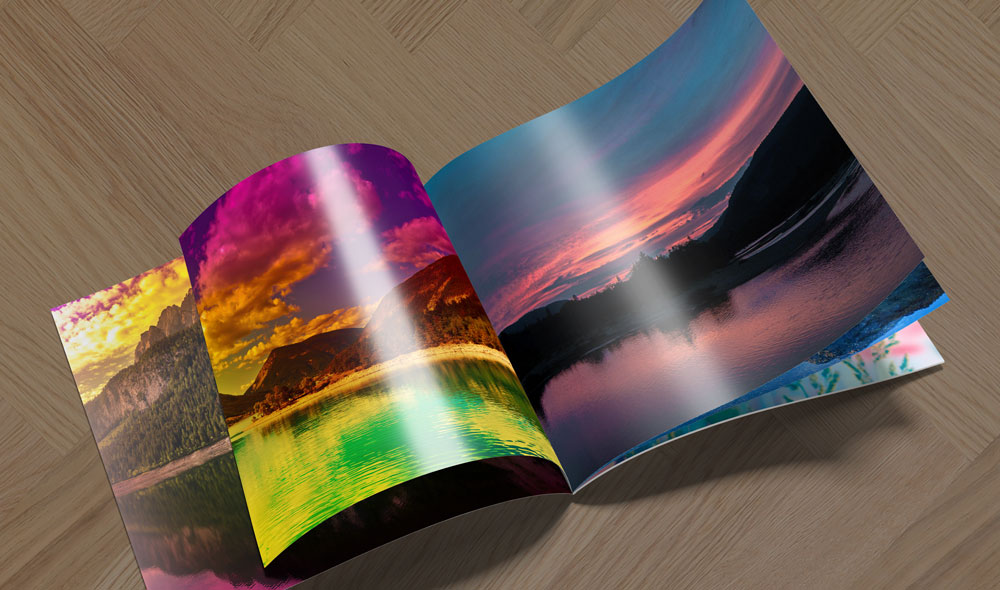
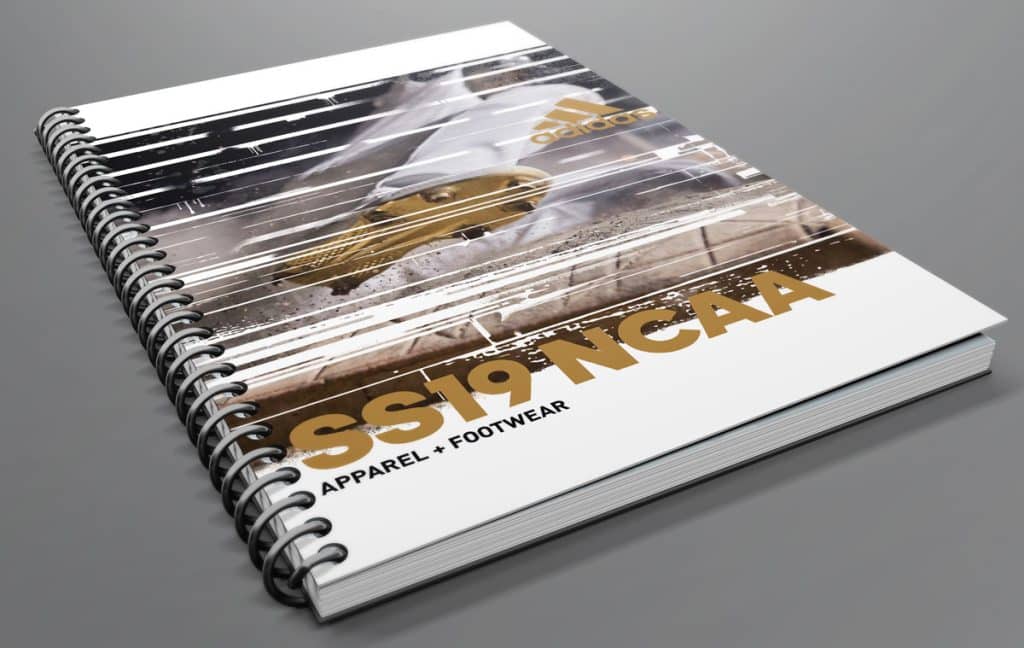
Glossy Paper is simply called gloss paper. Gloss paper is a coated printing paper engineered to produce sharp images, deep color saturation, and high contrast. A smooth coating seals the paper fibers. This lets the ink sit closer to the surface instead of soaking into the sheet.
This surface behavior directly causes:
Gloss paper is commonly used when visual impact is the primary goal.
In commercial printing, standard gloss text and gloss cover papers are used far more often than C1S or C2S. These papers have a higher-gloss finish designed specifically for vibrant color reproduction and sharp images.
While C1S and C2S papers are technically coated, they typically have a lower sheen than true gloss text or gloss cover. These stocks are chosen more for function than maximum gloss.
Gloss paper is selected when image clarity and color intensity matter more than writability. Its smooth, reflective surface enhances photos, graphics, and bold color.
Choosing between gloss and matte depends on function, not preference.
| Feature | Gloss Paper | Matte Paper |
|---|---|---|
| Color intensity | High | Moderate |
| Image sharpness | Very high | High |
| Glare | Yes | Minimal |
| Fingerprints | Visible | Hidden |
| Writing surface | Poor | Excellent |
Rule of thumb:
Learn more about matte finishes here: Matte Paper Explained
While glossy sheets excel at printing, writing on them requires care. The smooth coating means many pens will smudge or skip. According to the professional print-shop Forever, oil-based ballpoint pens, quick-dry gel pens, fine-tip permanent markers and rollerball pens with waterproof ink adhere best to satin-coated (semi-gloss) paper [source]. They recommend allowing ink to dry completely and testing a small area first [source]. Heavy pressure can cause skipping [source]. In general, ballpoint pens are the safest choice; gel inks may smudge unless labeled quick-dry.
Like other printing stocks, gloss paper is available in text weights (lightweight sheets for internal pages of brochures, booklets or flyers) and cover weights (heavier cardstock for covers, postcards or business cards). Text weights generally range from about 70–100 #, while cover weights run 80–100 # or higher. Selecting the right weight depends on your project: thicker stocks offer durability and a premium feel; lighter weights are economical and easier to fold.
Choose gloss paper for photo-forward and color-intensive projects—photographs, promotional flyers, brochures, posters and premium business cards. Its reflective finish delivers the impact you need for high-contrast images, saturated colors and sharp details [source] [source]. For pieces with more text or that will be handled frequently, consider semi-gloss or satin finishes; they reduce glare and resist fingerprints [source].
Gloss paper is produced by adding a coating layer, usually made of clay or polymer, onto a base sheet.
Coating Effects on Print
Because the coating reduces absorption:
This is why gloss paper outperforms uncoated paper for photography and marketing graphics.
© Printing Partners. All rights reserved. | Privacy Policy | Publishing Principles | Ownership & Funding Info | Feedback Policy | Corrections Policy | Ethics Policy | Diversity Policy | Diversity Staffing Report | Accessibility Statement | LLMS